peach tree borer life cycle
Peachtree borers live and feed in the trunk of the tree from a few inches above to 6 inches below the soil line. Lesser peachtree borers will be found feeding in wounded or injured portions of the trunk or larger branches.

Goes To Show You Don T Ever Know Plant Pest Advisory
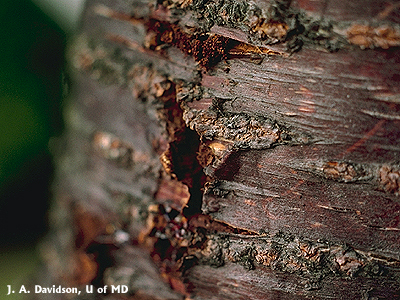
Borer damage is usually attended by gumming with varying amounts of frass in the gum.
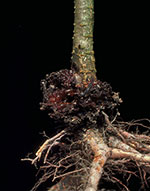
. The grub-like larvae chew underneath the bark at. Upon hatching from eggs young larvae immediately tunnel into the sapwood of the tree usually through cracks and wounds in the bark. Produced by peachtree borer.
Read customer reviews find best sellers. Find deals on peach tree borer traps on Amazon. Larvae of the peachtree borer cause damage to fruit trees.
Damage Any wound on stone fruit trees may cause gum to exude. Lesser peach tree borers have a life cycle very similar to that of peach tree borer but the timing and location of attack are slightly different. Avoid winter trunk injury by painting the lower 12 inches of trunk with a 5050 latex paintwater solution.
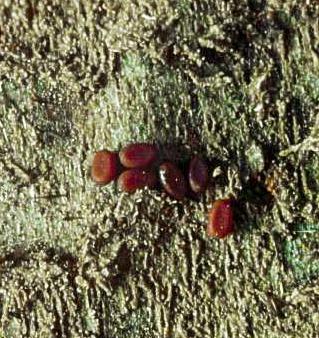
Female moths lay their eggs during the summer on bark at the base of tree trunks. Bark of the lower trunk or in the soil near the trunk base or by a larva andor larval tunnel under the bark Fig. Monitor using delta traps and greater peachtree borer pheromone lure starting in mid-June.
We are actual gardeners experts that test evaluate each product. For decades the greater peachtree borer Synanthedon exitisoa was known simply as the peachtree borer. Peach twig borer has about 30 species of natural enemies.
Exuded gum mixed with sawdust like frass forms at feeding sites. Only the immature larva stage Figure 3 produces the damage to trees. Ad Browse discover thousands of brands.
Among those commonly found in California are the chalcid wasps Copidosoma Paralitomastix varicornis and Euderus Hyperteles lividus. Black knot galls found on cherry and plum are favorite attack sites. Seasonal development and life cyclePeachtree borer.
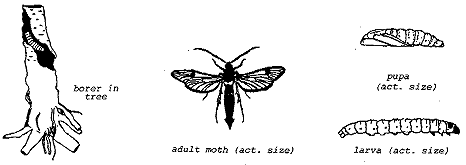
The gray field ant Formica aerata preys on peach twig borer during spring and summer. Peachtree borer life cycle showing larva 1 cocoon 2 empty pupal case 3 and cocoon with pupa emerging 43. The lesser borer completes about one and one-half cycles a year.
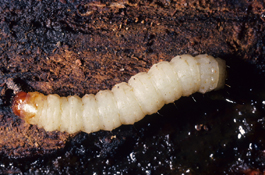
Larvae range from 125 to 35 cm in length and are white with a brown head. Lesser peachtree borer can only attack areas injured by. The peach tree borer completes one life cycle a year.
Larva burrows into the bark usually entering at a crack or wound near the soil surface and feeds on the cambium and tunnels between the inner bark and the sapwood. Larvae normally attack the tree trunk between 75 cm 3 in below ground to 25 cm 10 in above ground. Hatching larvae tunnel into the tree at or slightly below ground level.
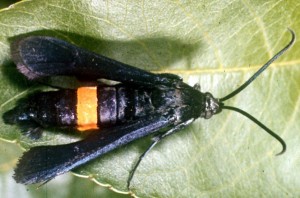
Hang monitors as close to the ground as possible. Peach twig borer has about 30 known species of natural enemies. The moths fly during the day and closely resemble paper wasps the moths do not sting.
Upon hatching from the eggs Figure 4. Mating disruption may be used in orchards than 1 acre. Lesser peach tree borers attack higher on the trunk and scaffold branches especially where there are injuries and callus tissue.
Ad Free Shipping 10 off lawn garden more when you join the Stay Green Garden Club. The pests life cycle and treatment is similar to those of exitiosa. Adult peachtree borers emerge in the late spring or early summer.
Adult beetles are 1 inch long and brown with two white longitudinal stripes on their backs. The 3 4 -inch-long females are bluish black with an orange band on the abdomen. The round-headed apple tree borer Saperda candida takes 2-3 years to complete its life cycle.
In some years these natural enemies destroy a significant portion of larvae but by themselves they generally do not reduce twig borer populations below economically damaging levels. Description and Life Cycle. These borers are caterpillars of a dark clearwinged moth.
In some years and orchards these natural. Use resistant tree varieties. Synanthedon exitiosa is a dark blue clearwing moth with yellow or.
The presence of small particles of wood and bark within the gum distinguish damage by peachtree borer Life History and Habits The life cycle of the peachtree borer requires one year to complete. Look for injury symptoms when pruning trees in the spring. The pupae of peach tree borer are between ¼ and 38.
Larger roots are also occasionally. The safe organic way to control Peach Tree Borers a major pest attacking stone fruit trees without harmful chemical pesticides. Larvae overwinter in various stages feeding on sapwood and heartwood.
Attacks all stone fruits mainly peach. Another commonly found parasite is Macrocentrus ancylivorus which attacks both peach twig borer and Oriental fruit moth. Adults begin emerging in late spring and early summer from larvae that have overwintered inside the tree an inch or two beneath.
Weve said no to GMOs. While an infestation of peach borer can be hard to spot there are solutions for preventing damage to your trees by this pest. This insect pest spends much of its life-cycle hidden under the bark where it destroys the cambium layer interfering with the transport of water and nutrients.
.JPG)
Pests Bc Tree Fruit Production Guide
Peachtree Borer 5 566 Extension

Peach Tree Borers How To Control Peach Tree Borers
.JPG)
Pests Bc Tree Fruit Production Guide
Peachtree Borer Wsu Tree Fruit Washington State University
.JPG)
Pests Bc Tree Fruit Production Guide
Peachtree Borer Oklahoma State University
Peachtree Borer Nc State Extension Publications
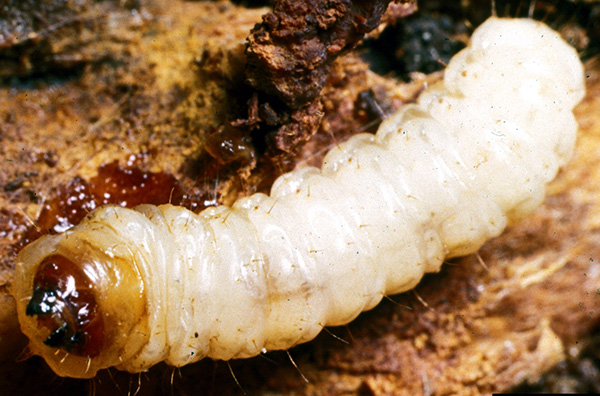
Greater Peachtree Borer Usu

Peach And Nectarine Peachtree Borer Pacific Northwest Pest Management Handbooks
Eny 691 In489 Peachtree Borers In The Home And Commercial Peach Orchard
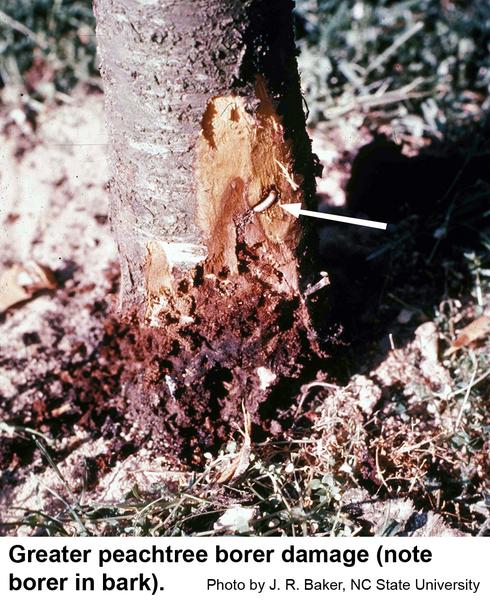
Greater Peachtree Borer In The Landscape Nc State Extension Publications
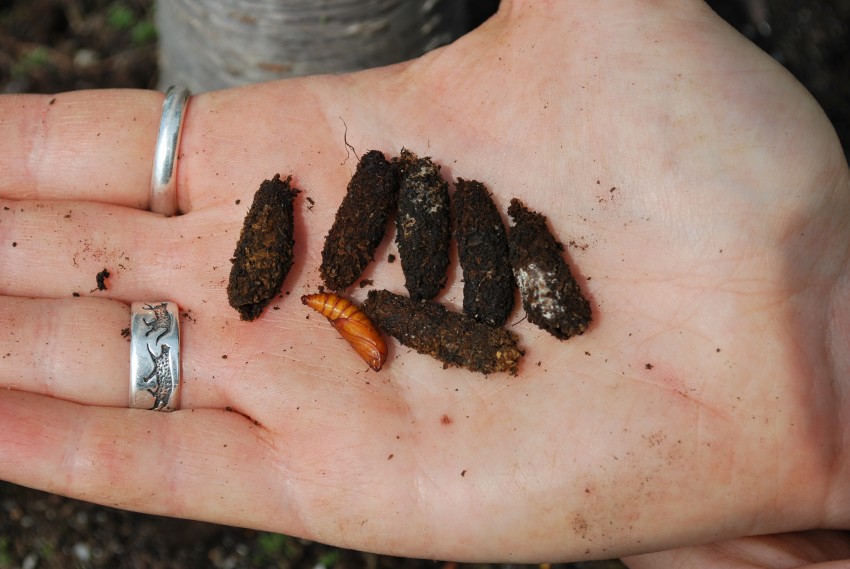
Goes To Show You Don T Ever Know Plant Pest Advisory
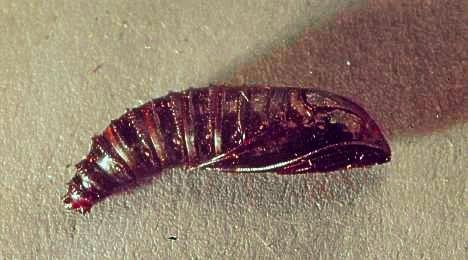
Peachtree Borer Nc State Extension Publications
Peachtree Borer

Peach Tree Borer Treatment Control Planet Natural

Peach And Nectarine Peachtree Borer Pacific Northwest Pest Management Handbooks
Peach Tree Borer Fairfax Gardening
Lords Environmental Peach Tree Borers